

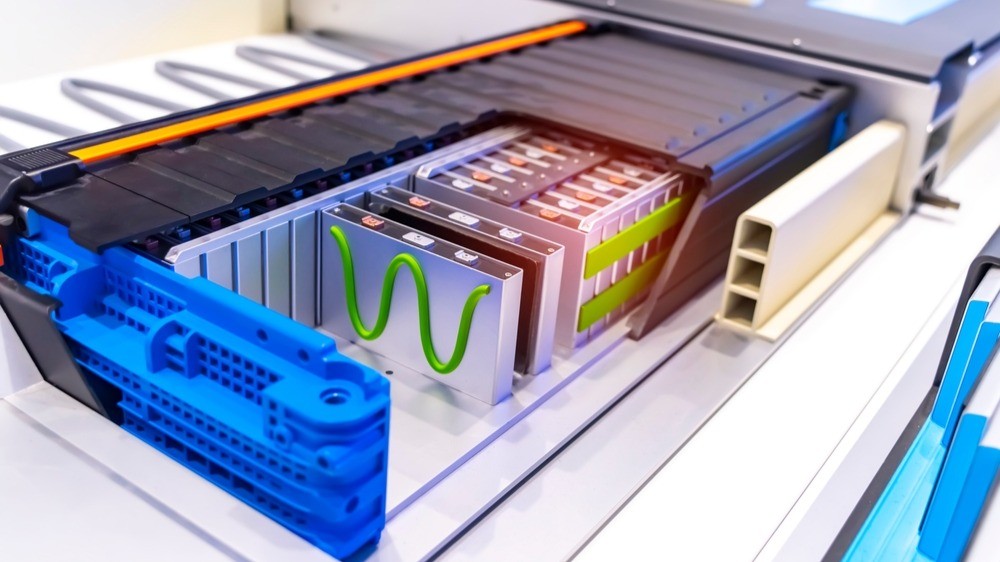
Advanced Thermal Management in Lithium Batteries: Engineering Solutions for Safety and Performance
Advanced Thermal Management in Lithium Batteries: Engineering Solutions for Safety and Performance
Keeping lithium batteries cool (or warm when needed) is one of the most important and overlooked aspects of battery system design. Whether you’re building electric vehicles, storing solar power off-grid, or designing consumer electronics, thermal management plays a key role in performance, safety, and long-term durability. In this article, we’ll break down everything you need to know about thermal management in lithium batteries in a clear and practical way.
Why Thermal Management Matters
At the heart of it, lithium batteries are chemical systems. And like most chemical reactions, temperature has a huge influence on how fast (or safely) those reactions happen.
What Happens When It Gets Too Hot?
When a lithium battery overheats, several bad things can start to happen:
Faster degradation: Heat accelerates the breakdown of electrolytes and electrode materials, shortening the battery’s lifespan.
Gas buildup: Decomposition can produce gases that cause the battery to swell.
Thermal runaway: If internal temperatures get too high, they can trigger a self-heating loop that ends in fire or explosion.
And When It Gets Too Cold?
Reduced capacity: Cold temperatures slow down the movement of lithium ions, reducing how much power you can get out of the battery.
Increased resistance: Lower conductivity means your system has to work harder (and use more energy) to deliver the same power.
Slower charging: Cold batteries can’t accept high charge rates and may suffer permanent damage if forced to.
In short, heat and cold both impact performance, safety, and battery life. That’s why thermal management is such a big deal.
Where the Heat Comes From
You might think heat only becomes a problem in extreme environments, but lithium batteries can generate heat internally, even during normal use.
Internal Resistance
As lithium ions move between the anode and cathode during charge and discharge cycles, resistance inside the battery causes heat to build up. The faster the charge/discharge rate (like in fast-charging EVs), the more heat is produced.
Electrochemical Reactions
Some heat is also released during the natural chemical reactions of a working battery. This heat can vary depending on the battery chemistry, age, and usage pattern.
Environmental Exposure
Where you place your batteries matters. A solar battery stored in a poorly ventilated shed on a hot day can easily overheat, even if the battery isn’t actively charging.
Thermal Management Strategies
Thermal management is all about keeping temperatures within a safe and efficient range. There are two broad strategies for managing battery heat: passive and active systems.
Passive Cooling Techniques
These systems don’t use energy to move heat around. Instead, they rely on smart materials and design.
Heat Sinks
Aluminum or copper components draw heat away from the battery cells and radiate it out to the surrounding air.
Thermal Interface Materials (TIMs)
These materials fill in the microscopic gaps between battery surfaces and heat spreaders to improve heat transfer.
Phase Change Materials (PCMs)
PCMs absorb a lot of heat when they change from solid to liquid. They can be built into battery modules to manage short-term temperature spikes.
Structural Design
Sometimes the layout of the battery pack itself (spacing, orientation, airflow gaps) plays a big role in heat dissipation.
Active Cooling Techniques
Active systems use fans, pumps, or compressors to move heat away from the battery.
Air Cooling
This can be as simple as a fan blowing over the battery pack. It’s cheap and easy to implement, but not very effective for large packs or high-power use.
Liquid Cooling
Liquid cooling systems use water-glycol mixtures to move heat away from battery cells through a series of cold plates or tubes. This is the standard in EVs today.
Refrigerant-Based Cooling
In high-performance applications (like sports cars or aerospace systems), some manufacturers use refrigerants for even more powerful heat removal.
New and Emerging Cooling Technologies
Battery thermal management is a fast-evolving field. Engineers are constantly exploring new materials and systems to handle higher energy densities and more demanding conditions.
Immersion Cooling
Here, battery cells are submerged in a dielectric (non-conductive) liquid. Heat is absorbed directly from the cell surface and carried away. This method allows extremely tight temperature control and is gaining popularity in grid storage.
Heat Pipes and Vapor Chambers
These use phase-change principles to move heat away from cells without moving parts. They’re common in laptops and starting to appear in smaller EV packs.
AI-Powered Thermal Management
Advanced battery management systems (BMS) are using AI to predict heat buildup and dynamically adjust cooling based on driving patterns, ambient conditions, and battery health.
Designing a Battery Thermal Management System (BTMS)
A BTMS is the part of a battery system that oversees thermal control. It usually includes:
Sensors: Measure temperature at key points inside the pack.
Controller (often part of the BMS): Uses temperature data to decide when to activate cooling.
Actuators: Fans, pumps, or valves that physically move air or liquid.
Designing a BTMS is a balance between cost, complexity, and performance. For example, a high-end EV might use a multi-zonal liquid system with predictive controls, while a power tool might rely on passive cooling only.
Application-Specific Thermal Considerations
Different use cases demand different thermal solutions.
Electric Vehicles
Require tight thermal control across a wide range of temperatures.
Cooling must support fast charging, which generates significant heat.
Some models use heat pumps to warm batteries in cold weather.
Stationary Energy Storage (BESS)
Often located in hot environments like deserts.
Need passive or hybrid cooling to minimize maintenance.
Air conditioning or immersion systems are increasingly common.
Consumer Electronics
Space and weight constraints limit options.
Often rely on small heat spreaders or heat pipes.
Thermal throttling used to reduce power draw when overheating.
Safety and Compliance
Poor thermal design can lead to fire, liability issues, and lost product trust.
Safety Tests and Regulations
UN38.3: Transportation safety for lithium batteries.
IEC 62660: EV battery performance and safety.
UL 2580: Safety for vehicle battery systems.
SAE J2464: Abuse testing.
Meeting these standards usually requires your BTMS to keep temperatures within a narrow, safe range even during failure modes (like short circuits or overcharging).
What the Future Looks Like
Thermal management isn’t going away. As batteries grow in capacity and complexity, engineers will need smarter and more efficient systems to keep them in check.
Promising Areas of Research
Graphene-enhanced heat spreaders
Self-healing materials that absorb heat spikes
Digital twins for thermal prediction
Nanocoatings to reduce IR heat gain
Final Thoughts
Thermal management is a make-or-break factor in lithium battery performance. It affects everything from how fast you can charge to how long your battery lasts—and whether it operates safely under pressure.
As engineers, system designers, or even curious users, understanding how thermal systems work allows us to build better, safer, and more efficient products. Whether you’re using off-the-shelf battery packs or designing your own, don’t ignore the heat.
It might be invisible, but it’s powerful—and in batteries, it’s everything.

